A Beginner's Guide to Reading a Watch Movement
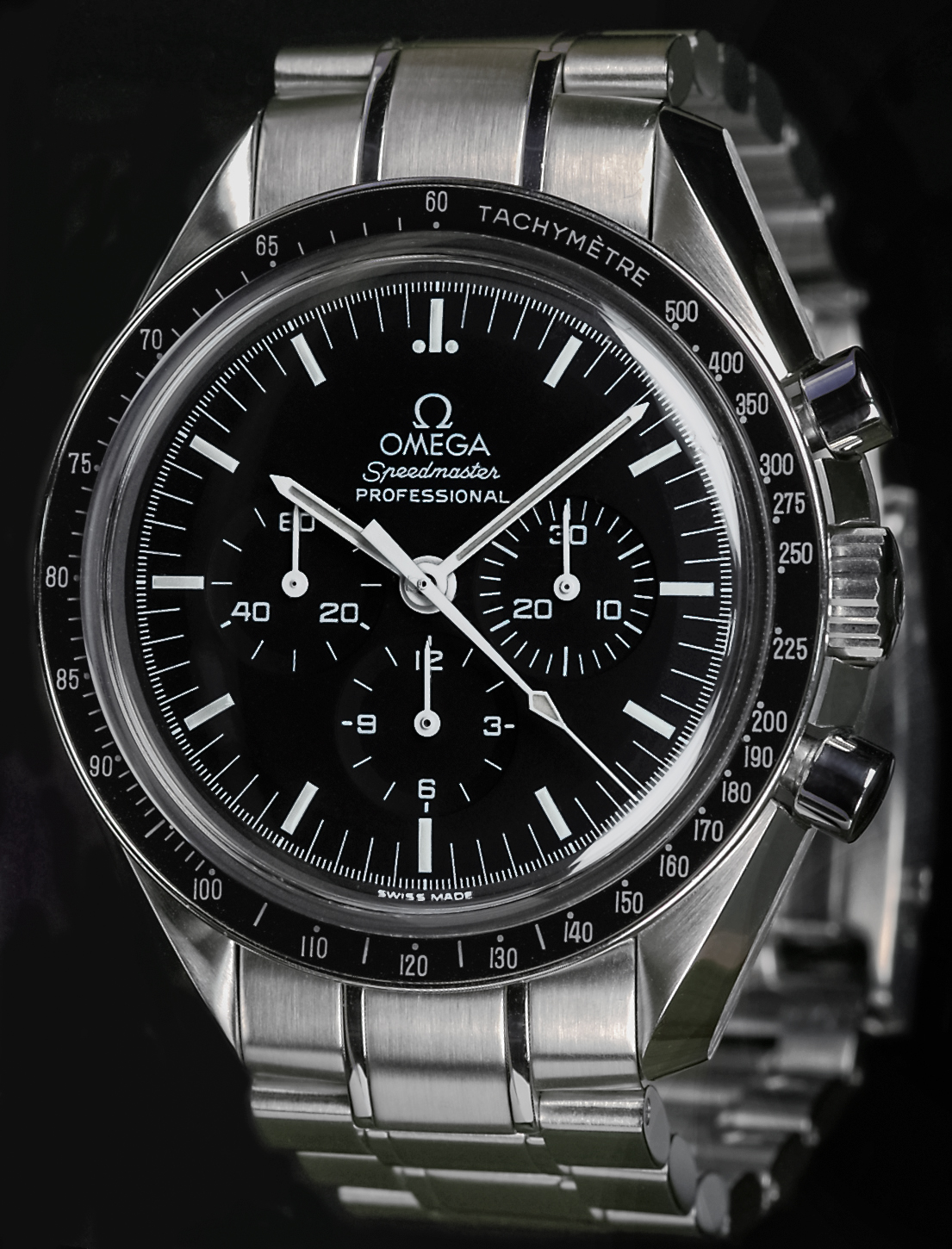
Confused by the difference between a calibre and a complication? This guide breaks down the key terms so you can read any watch spec sheet with confidence.
Walk into any watch boutique and the vocabulary can feel overwhelming — escapements, jewels, power reserve, côtes de Genève. This guide strips the terminology back to the essentials so you can read a movement spec sheet and actually understand what you are looking at.
Calibre vs. movement
A calibre is the specific model designation a manufacturer assigns to a movement. Rolex calibre 3135, for example, is the self-winding movement found in the Submariner Date. The word movement is the general term for the mechanism inside the case. Every calibre is a movement; not every movement has a calibre name.
Automatic vs. manual
An automatic (self-winding) movement charges its mainspring via a rotor that spins as you move your wrist. A manual movement requires you to wind the crown periodically. Neither is objectively better — manual movements are often thinner and more intimate; automatics are more convenient.
Complications
A complication is any function beyond simple hours and minutes. A date window is a complication. A chronograph is a complication. A tourbillon is a complication. The more complications, the more intricate and typically expensive the movement.
Jewels
Rubies are used as low-friction bearings for the gear train. A modern automatic typically uses 21–25 jewels. More jewels is not always better — 17 jewels in the right places is more than enough for a reliable everyday movement.
Power reserve
The length of time a fully-wound mainspring can run the movement. Entry-level automatics often achieve 38–42 hours; modern in-house movements frequently offer 60–80 hours. Use this to gauge how long you can leave a watch off the wrist before it stops.
Comments
Sign in to join the discussion.
No comments yet
Be the first to share your thoughts.